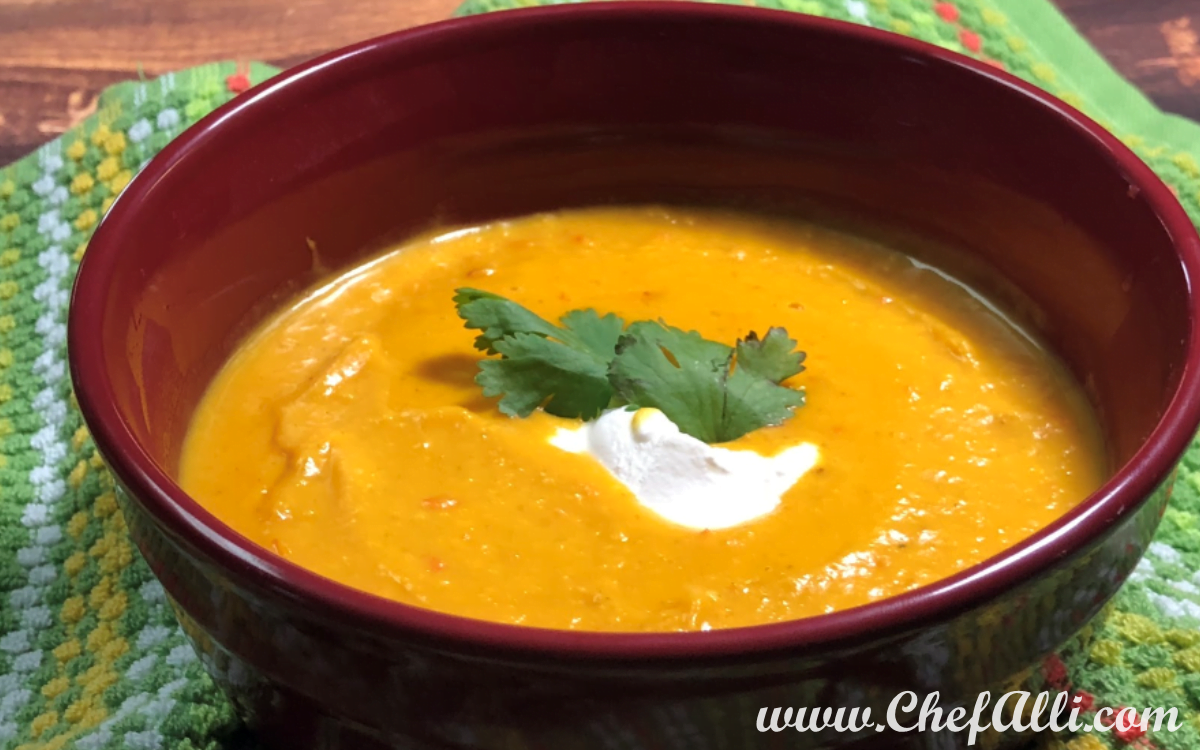
Curried Butternut Bisque: Unpacking Thai & Vadouvan Spices for Culinary Depth
The humble butternut squash, with its vibrant orange hue and naturally sweet flesh, transforms into a bowl of pure comfort when blended into a bisque. But what truly elevates this autumnal staple from a simple soup to an unforgettable culinary experience are the nuanced world of spices. While a basic curry powder offers a comforting warmth, diving into the distinct profiles of Thai red curry paste and the sophisticated Vadouvan curry spice unveils a spectrum of flavors that promise a captivating journey for your palate. This article explores the artistry behind curried butternut bisque, focusing on how these two unique spice blends redefine its character, alongside essential techniques and tips for perfection.
The Soul of the Bisque: Butternut Squash & Foundation Flavors
At the heart of any exceptional curried butternut bisque is, of course, the butternut squash itself. Its inherent sweetness and creamy texture provide the perfect canvas for a symphony of spices. When preparing the squash, whether you choose to peel and cube it for boiling or halve and roast it, aiming for tenderness is key to achieving that velvety smooth consistency.
The foundation of your bisque begins with choosing your liquid base – typically chicken or vegetable broth. Chicken broth lends a richer, more savory undertone, while vegetable stock offers a lighter, brighter profile, especially appealing for vegetarian versions. Beyond the liquid, the initial sautéing of aromatics like onions, carrots, and perhaps a touch of apple or fennel, lays down layers of flavor. Slowly cooking these ingredients until translucent brings out their sweetness and depth, providing a harmonious background for the star spices to shine. For those seeking a classic, thicker bisque, a roux made from butter and flour can be incorporated early in the cooking process, lending a traditional body and richness.
A Tale of Two Curries: Thai Red Curry vs. Vadouvan
The magic truly happens when you introduce the curry. While generic curry powder provides a foundational warmth, Thai red curry paste and Vadouvan spice offer vastly different, yet equally compelling, flavor journeys.
Thai Red Curry: The Fiery, Aromatic Punch
When you crave a bisque with a bold personality and an invigorating kick, Thai red curry paste is your go-to. Unlike a dry powder, this paste is a vibrant blend of fresh ingredients, typically including red chilies, lemongrass, galangal (a type of ginger), kaffir lime zest, garlic, and shallots. It’s an explosion of savory, spicy, citrusy, and herbaceous notes.
Incorporating Thai red curry paste into your bisque involves sautéing it with your initial aromatics for a couple of minutes. This vital step, often referred to as "blooming" the paste, allows its complex oils and flavors to release, intensifying its aroma and taste before any liquids are added. The result is a bisque that carries a distinct "spicy punch," as some describe it, a warmth that lingers beautifully on the tongue, balanced by the natural sweetness of the butternut squash. To further enhance the authentic Thai character, a touch of honey can balance the heat, and a squeeze of fresh lime juice at the end brightens the entire dish, while fresh cilantro makes an ideal aromatic garnish.
Vadouvan: The French-Indian Connection
For a bisque that exudes sophistication and a more subtle, earthy complexity, turn to Vadouvan. This unique spice blend is a French-inspired interpretation of Indian curry, often featuring a base of shallots, garlic, and sometimes curry leaves, which are slow-cooked and then blended with spices like fenugreek, mustard seeds, cumin, coriander, and often a hint of smoked paprika. The result is a richer, more aromatic, and slightly sweeter curry with an almost umami depth, rather than the sharp heat of a traditional Thai curry.
Using Vadouvan involves a similar blooming process to Thai curry paste, where the spice is gently toasted in melted butter or oil with grated ginger and aromatics like fennel and onion. This slow, low-heat cooking helps to soften and sweeten the foundational vegetables, allowing the Vadouvan's nuanced flavors to fully develop. When simmered with the butternut squash and vegetable stock, Vadouvan imparts a sophisticated, mildly smoky, and aromatic warmth that is profoundly comforting. Finishing with crème fraîche not only adds a luxurious creaminess but also complements the subtle spice profile, creating a truly gourmet experience.
Crafting Your Curried Butternut Bisque: Techniques & Tips
Mastering your curried butternut bisque involves several key techniques that can significantly impact the final texture and flavor.
The way you prepare your squash is paramount. You can opt for the straightforward method of *boiling* cubed squash directly in broth until tender. This is quick and results in a lighter-bodied bisque. Alternatively, *roasting* the squash, as seen in many gourmet recipes, brings out a deeper, more caramelized sweetness. Roasting involves brushing the cut sides of the squash with olive oil and baking until fork-tender, concentrating its flavors before scooping out the flesh. For a deeper dive into these methods and their impact, read our comprehensive guide:
Crafting Curried Butternut Bisque: Roast vs. Boil Methods.
Regardless of your chosen curry spice, the technique of
blooming the spices is non-negotiable. Whether it's dry curry powder, Thai paste, or Vadouvan, briefly cooking the spice in fat (butter or oil) before adding liquids dramatically enhances its aromatic compounds and deepens its flavor.
When it comes to thickening and achieving that signature bisque creaminess, you have choices. A traditional roux (butter and flour) provides consistent body. However, the butternut squash itself, when pureed, acts as a natural thickener. Dairy additions like half-and-half, whipping cream, or crème fraîche introduce richness. Remember to add these delicate ingredients at the end, gently heating the bisque through without bringing it to a rolling boil, which can cause dairy to curdle. Blending the soup, ideally in batches, until it's "velvety smooth" is crucial. For an ultra-silky texture, consider passing the pureed bisque through a fine-mesh strainer, as suggested in some culinary traditions. Finally, diligent seasoning with salt, white pepper, and a touch of acid like lime juice is vital to balance and brighten the flavors.
Elevating Your Bisque: Beyond the Basic Bowl
Once your curried butternut bisque is perfectly crafted, the final touches can transform it into a true showstopper. Garnishes are not merely decorative; they add contrasting textures, fresh flavors, and visual appeal. For a Thai-inspired bisque, a generous sprinkle of fresh chopped cilantro, a drizzle of sour cream or coconut cream, or a few toasted cashews offer delightful complements. If you've opted for the Vadouvan version, a swirl of crème fraîche, finely diced fresh chives, or crispy sage leaves can heighten its sophisticated profile. Even unexpected garnishes like diced, crispy ham (as suggested in some classic recipes) can add a delightful salty crunch.
Consider how you serve your bisque. Elegant bowls, perhaps with a side of crusty bread or artisanal crackers, elevate the dining experience. When pairing with beverages, a crisp white wine like a Chardonnay or Sauvignon Blanc can beautifully complement the rich, spicy notes of the bisque. For more innovative ways to enhance your bisque, explore
Beyond Basic: Enhancing Curried Butternut Bisque Flavors. Leftover bisque stores well in the refrigerator for a few days and often tastes even better the next day as the flavors meld.
In conclusion, curried butternut bisque is far more than just a seasonal soup; it’s a versatile canvas for culinary exploration. By understanding the distinct characteristics of Thai red curry paste and Vadouvan spice, you unlock the potential to create a bisque that is either vibrantly spicy and aromatic or elegantly subtle and complex. Whether you gravitate towards the bold punch of Thailand or the refined whisper of French-Indian fusion, each spoonful promises a journey of flavor, comfort, and culinary discovery. So, embrace the spices, hone your techniques, and craft a curried butternut bisque that truly speaks to your palate.